Buying a new house is one of the biggest financial decisions you can make. Property websites such as Zameen.com make it easier to find houses, compare prices, and explore different locations. However, a beautiful listing and attractive pictures do not tell you everything about the actual condition of a property.
Before paying an advance or signing a sale agreement, it is important to carry out a detailed house inspection before buying. A professional inspection can help identify structural problems, water leakage, poor construction, electrical issues, and other hidden defects that may become expensive after you move in.
Why Is House Inspection Important Before Buying?
When viewing a house listed on Zameen.com, it is easy to focus on the location, number of bedrooms, design, parking and price. But some of the most expensive problems are not visible during a normal property visit.
Issues such as foundation problems, structural cracks, roof leakage, dampness, plumbing defects and poor-quality construction may remain hidden until after the purchase.
Zameen.com’s own home-buying guidance recommends personally visiting properties and checking for issues such as damp spots, repairs, pest infestations and problems with fittings.
A professional inspection gives you a better understanding of what you are actually buying before committing your money.
What Should You Check When Buying a House from Zameen.com?
1. Check the Walls for Cracks
Start by carefully examining the interior and exterior walls.
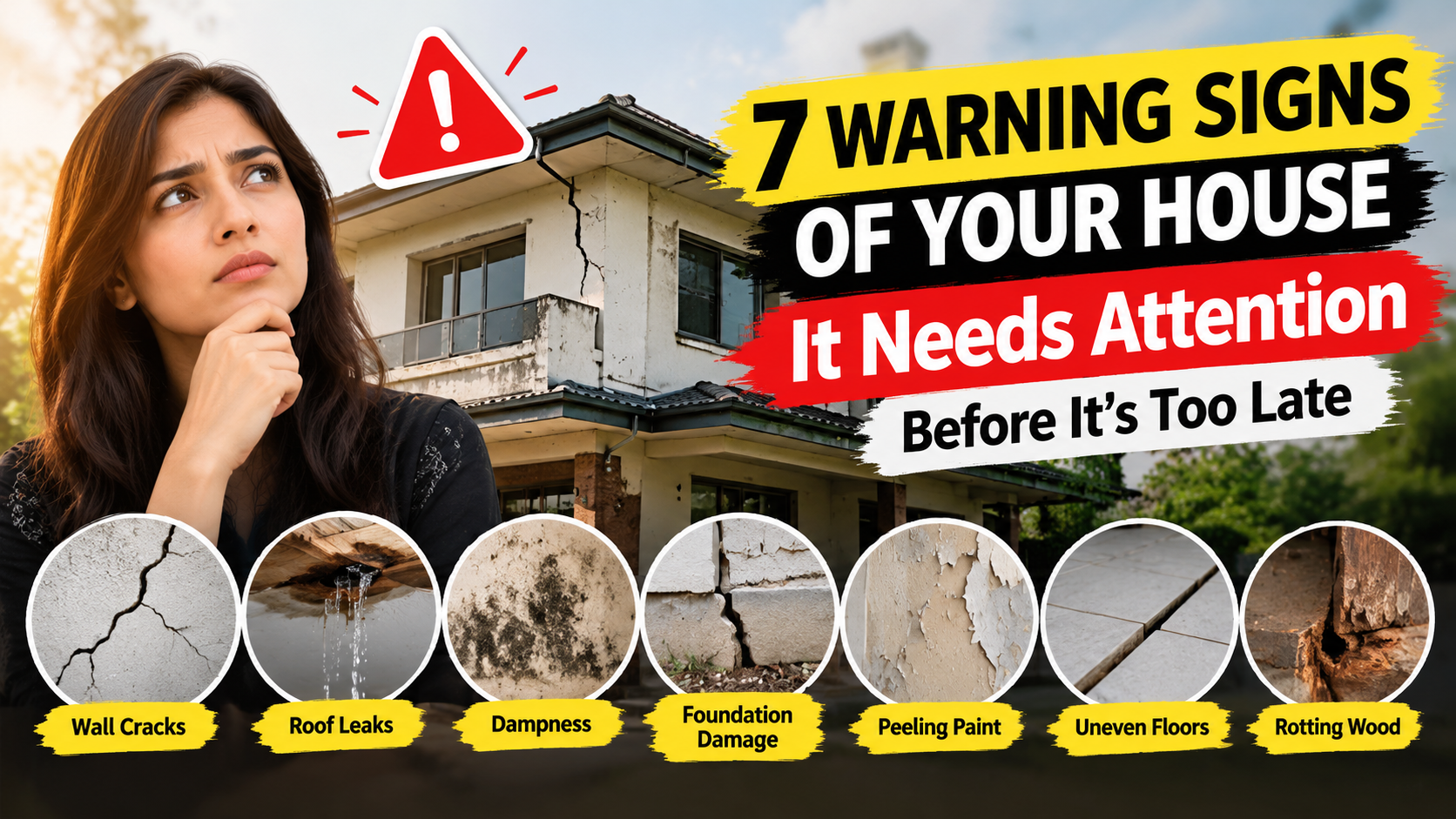
Not every crack means that a house has a serious structural problem. Small surface cracks may simply be related to plaster or paint. However, large, diagonal, stair-step or recurring cracks can require further investigation.
Pay particular attention to:
- Wide or deep cracks
- Diagonal cracks around doors and windows
- Cracks extending through multiple areas
- Cracks near beams and columns
- Cracks that appear to be getting larger
- Cracks around extensions or recently modified areas
If you notice concerning cracks, a structural engineer should assess them before you proceed with the purchase.
2. Inspect the Roof and Slab
The roof is another important part of a house inspection.
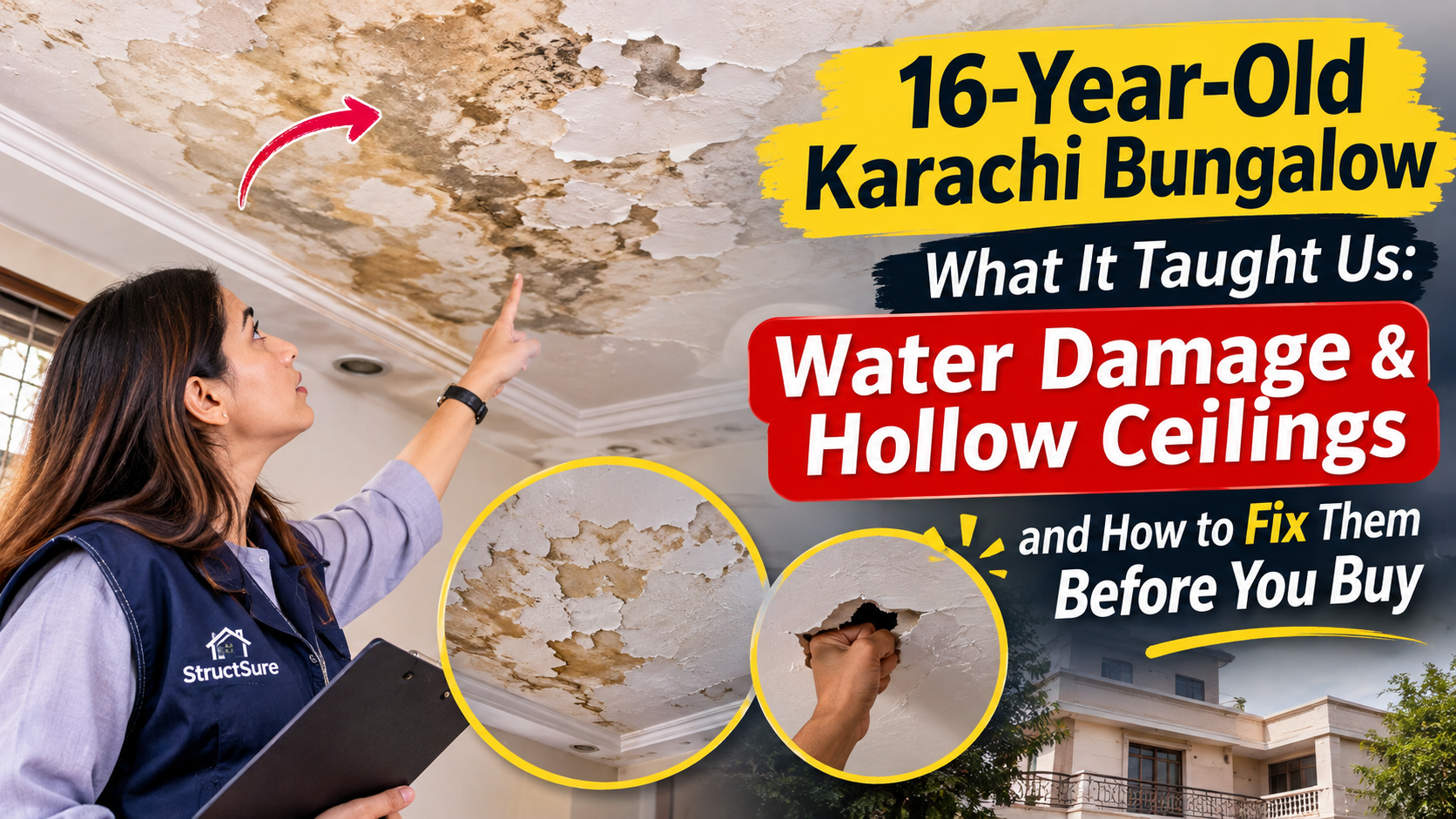
Look for water stains, damp patches, cracks, damaged waterproofing and areas where rainwater may collect. Poor drainage can eventually result in seepage and damage to ceilings and walls.
A roof may look perfectly fine during a dry property viewing, so signs of previous leakage are particularly important.
3. Look for Dampness and Water Leakage
Damp walls can indicate leaking plumbing, poor waterproofing or water entering from the roof or exterior walls.
Check:
- Bathroom walls
- Kitchen walls
- Walls near water tanks
- Ceilings
- Areas underneath bathrooms
- Exterior walls
- Corners and areas behind furniture
Peeling paint, bubbling surfaces, mould and unusual stains can all be warning signs.
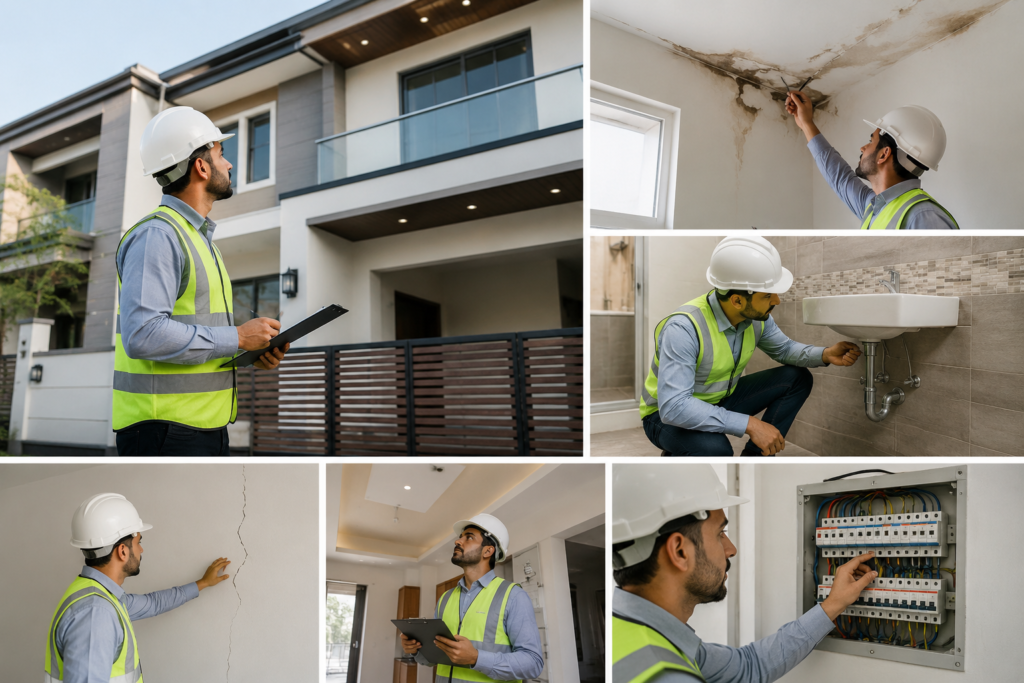
4. Check the Plumbing and Drainage
Turn on taps and check the water pressure. Open several taps if possible and observe whether the drainage system is working properly.
You should also check bathrooms, kitchen sinks, floor drains and external drainage areas.
A professional inspection can identify problems that may not be obvious during a short property visit.
5. Inspect Electrical Systems
Electrical problems can create both inconvenience and safety risks.
Check whether switches, sockets, lights and other electrical fixtures are working properly. Look for exposed wiring, damaged sockets, overloaded connections and signs of overheating.
However, a visual inspection is not enough to confirm the complete condition of an electrical system. A qualified professional can carry out more detailed checks where necessary.
6. Check Floors and Ceilings
Uneven, sagging or damaged floors can sometimes indicate underlying problems.
Pay attention to:
- Uneven flooring
- Cracked tiles
- Hollow or loose tiles
- Sagging ceilings
- Cracks around ceiling edges
- Water stains
- Floor levels that appear noticeably different
Bathrooms and kitchens deserve extra attention because plumbing and moisture problems can affect the floor and surrounding structure.
7. Inspect Columns, Beams and Other Structural Elements
For a newly constructed or recently renovated house, structural inspection is especially important.
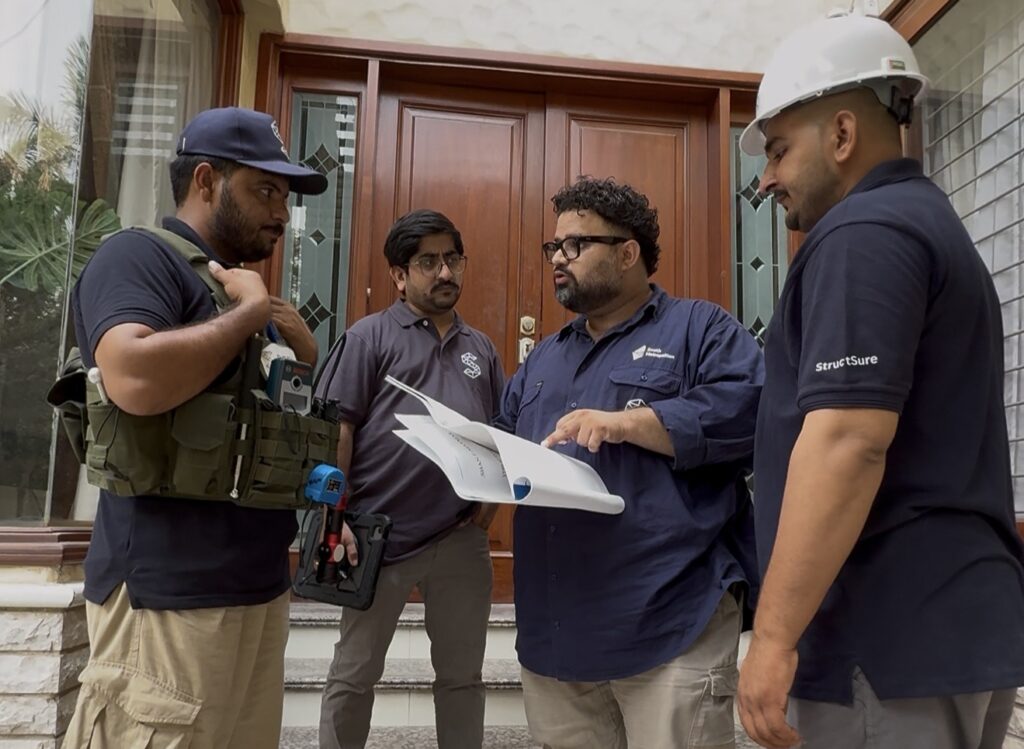
A structural engineer can assess visible structural elements such as columns, beams, slabs and load-bearing walls and look for signs of distress or inappropriate modifications.
This becomes even more important if you are planning to add another floor, remove a wall, extend the house or make major renovations after purchasing it.
8. Check for Unauthorized Alterations
A house may have been modified after its original construction. Rooms may have been extended, walls removed or additional structures added.
Before buying, ask whether these changes were approved according to the applicable housing society or local authority requirements.
Zameen also highlights the importance of checking whether a property has been constructed according to relevant building bylaws and guidelines.
9. Don’t Ignore Construction Quality
A house can have an attractive interior while still having underlying construction-quality problems.
Where available, ask for relevant construction information, drawings or documentation. Depending on the property and its history, an engineer may also recommend additional investigations.
Zameen’s guidance on construction quality highlights factors such as soil conditions, structural design, construction materials and safety features.
Should You Inspect a New House?
Yes. New does not automatically mean defect-free.
A newly built house may still have problems caused by poor workmanship, inadequate waterproofing, plumbing defects, electrical installation issues or construction-quality concerns.
In fact, identifying defects before completing the purchase can give you an opportunity to negotiate repairs or reconsider the property.
DIY Inspection vs Professional House Inspection
You can perform a basic visual inspection yourself, but there are limits to what an untrained buyer can identify.
A DIY inspection can help you notice obvious problems such as:
- Visible cracks
- Damp walls
- Broken tiles
- Water leakage
- Damaged fixtures
- Poor drainage
- Exposed wiring
However, some structural and construction defects require professional knowledge and equipment.
A professional house inspection can provide a more systematic assessment of the property’s condition and help you understand which problems are cosmetic and which may require significant repairs.
When Should You Hire a Structural Engineer?
Consider hiring a structural engineer before buying if you notice significant cracks, uneven floors, sagging slabs, suspected structural modifications or other warning signs.
It is also particularly useful if you are buying an expensive property, an older house, a recently renovated house, or a property where you plan to make major structural changes.
The cost of an inspection is generally small compared with the potential cost of repairing a serious defect after purchase.
Final Thoughts
A professional house inspection before buying can help you make a more informed decision, negotiate with greater confidence and reduce the risk of unexpected repair costs.
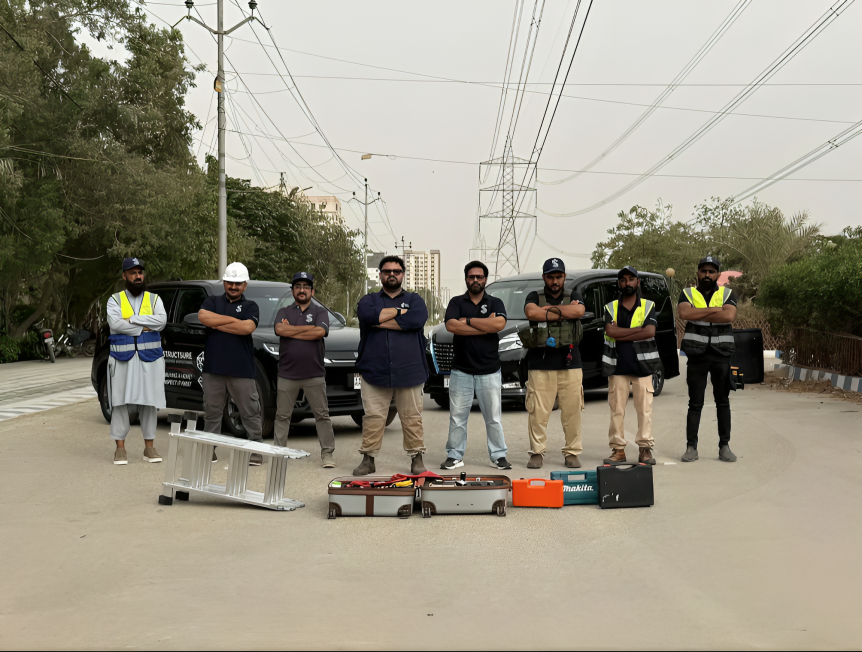
If you are buying a house in Karachi and want an expert assessment of its structural condition, StructSure Pakistan can help you inspect the property before you commit to the purchase.
Also Read: Why Structural Assessment in karachi Worth Every Rupee