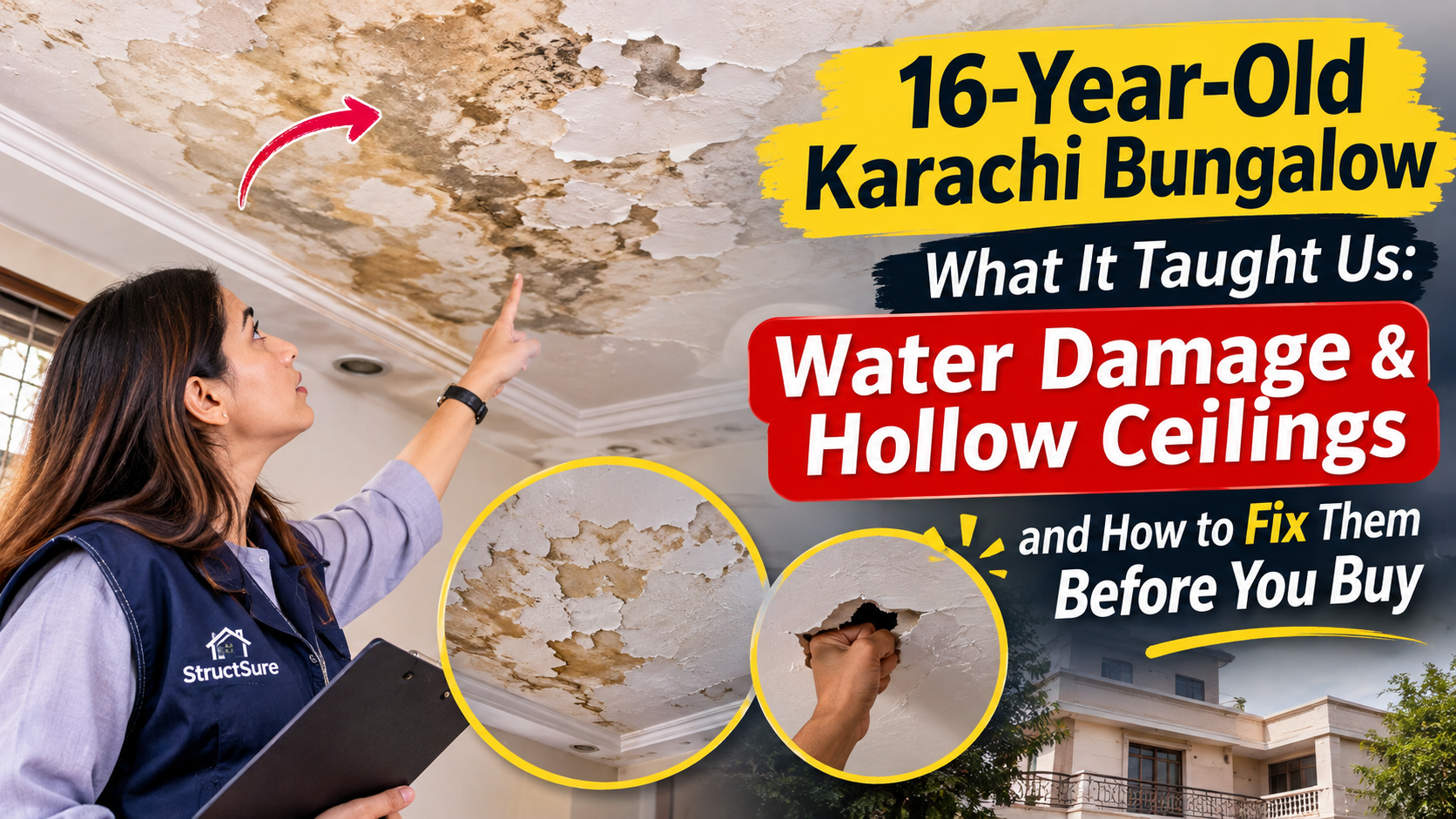
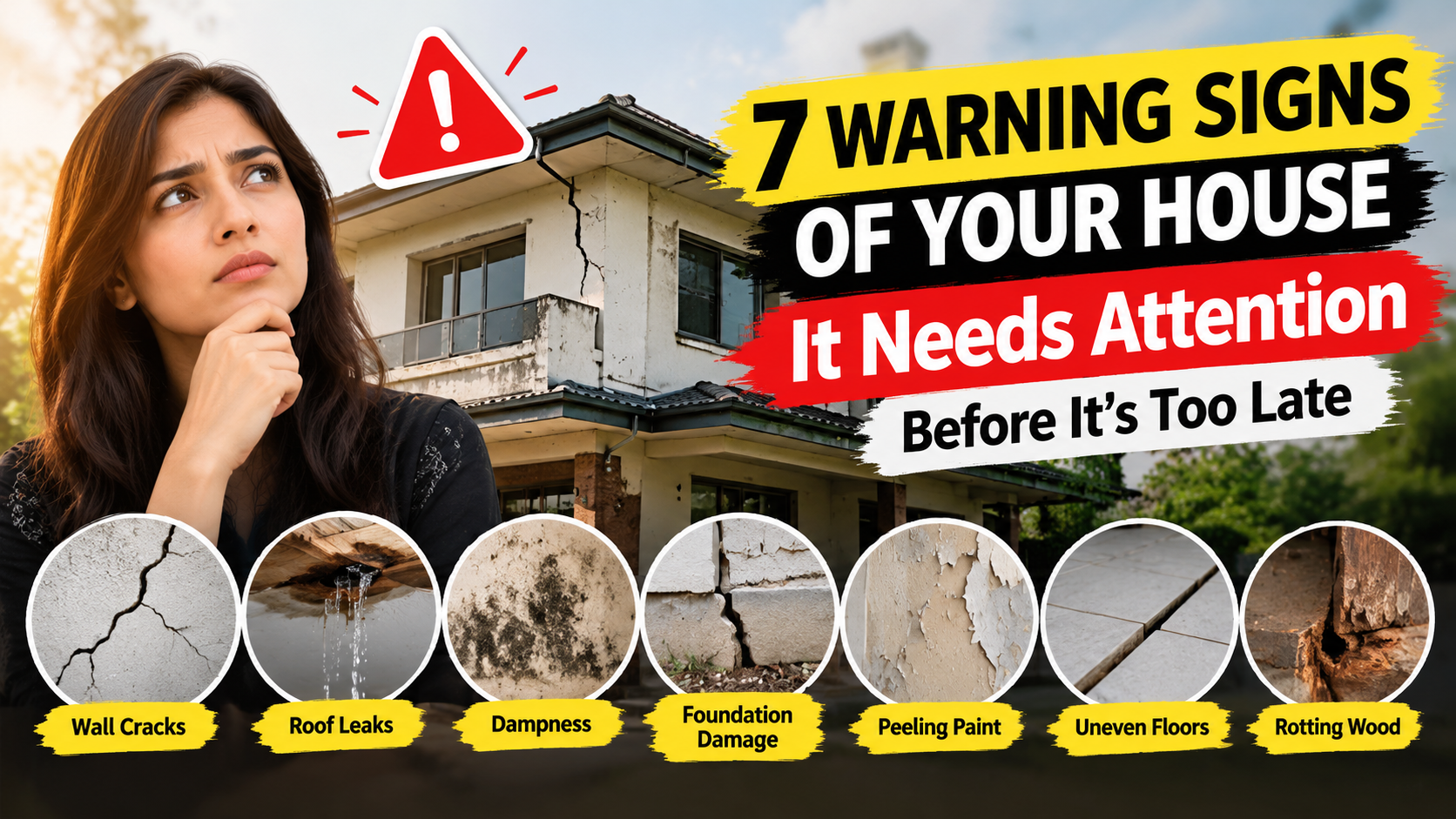
Buying a house is one of the biggest financial decisions a person makes. In Karachi, a property may look beautiful from the outside but still have serious problems such as structural cracks, roof leakage, damp walls, faulty plumbing or unauthorised construction.
These issues can lead to expensive repairs after purchasing the property. That is why buyers should carefully inspect a house before making a final decision.
Whether you are buying a house in North Karachi, Gulshan-e-Iqbal, Scheme 33, Bahria Town Karachi or DHA, understanding the property’s condition can help you make a more informed investment.
Structsure helps highlight the importance of professional building inspections so buyers can identify visible defects and understand potential risks before purchasing a property.
1. Structural Cracks in Walls and Columns
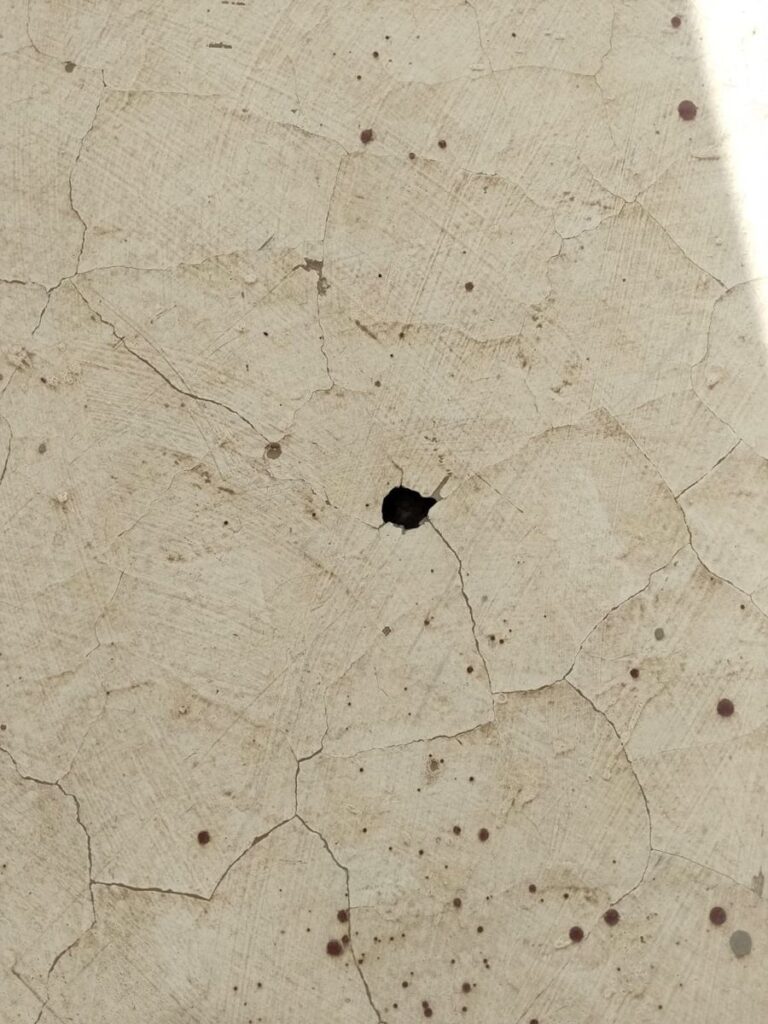
Structural cracks are among the most important warning signs to check before buying a house. While some cracks are caused by normal plaster shrinkage, others may indicate foundation movement or structural damage.
Pay attention to:
- Diagonal cracks around doors and windows.
- Staircase-shaped cracks in brick walls.
- Large or widening cracks in walls and columns.
- Uneven floors or visibly tilted surfaces.
- Doors and windows that do not close properly.
Do not assume every crack is dangerous, but avoid ignoring significant cracks simply because they have been covered with paint or plaster. A qualified structural engineer should assess suspected structural defects.
2. Roof Leakage and Seepage
Roof leakage is a common concern in houses where waterproofing, drainage or roof maintenance has been neglected.
Water can enter through damaged waterproofing, cracks in the roof slab, faulty plumbing connections or poorly sealed water tanks.
Check the ceiling for brown stains, peeling paint, damp patches and damaged plaster. If possible, inspect the rooftop for standing water, cracks and deteriorated waterproofing.
Roof leakage can damage internal finishes and, if persistent, affect concrete and reinforcement. Ask the seller whether the roof has leaked previously and whether repairs were carried out.
3. Damp Walls and Rising Moisture
Dampness can make a house uncomfortable and may damage paint, plaster, woodwork and other building materials.
Common signs include:
- Paint bubbling or peeling away from walls.
- White powdery deposits on plaster.
- Persistent musty smells.
- Damp patches near the floor.
- Mould or dark staining in corners.
Moisture may result from leaking water pipes, roof seepage, poor drainage or inadequate damp-proofing. Painting over a damp wall will not solve the underlying problem.
Before buying, identify the likely source of moisture and estimate the repairs required.
4. Weak Foundations and Settlement
A house needs a stable foundation to support its weight safely. Foundation-related problems may develop because of soil conditions, poor construction, water leakage or inadequate design.
Warning signs may include widening cracks, uneven floors, separation between walls and ceilings, or visible movement around the building.
These signs do not automatically prove foundation failure, but they may justify a detailed structural assessment.
This is particularly important when purchasing an older house, a property with additional floors or a building that has undergone major alterations.
5. Unauthorised Construction and Extra Floors
In Karachi, some properties have been extended or modified without buyers having clear documentation of the work.
Examples include additional floors, extensions, removed walls, altered staircases and rooms built over existing structures.
Before purchasing, ask for the available approved building plans, relevant completion documents and other applicable approvals. Verify the documents with the relevant authority where necessary.
Do not assume that an existing structure is legally approved simply because it has been standing for several years.
A building inspection can identify visible concerns, but legal approval and title verification require separate checks with the relevant authorities and property professionals.
6. Faulty Electrical Wiring
Electrical problems can create safety risks and lead to unexpected repair costs.
Older houses may have deteriorated wiring, overloaded circuits, damaged switches or electrical work that was not completed properly.
Look for damaged fittings, exposed wires and signs of overheating around accessible electrical points. Never touch exposed wiring or open electrical equipment yourself.
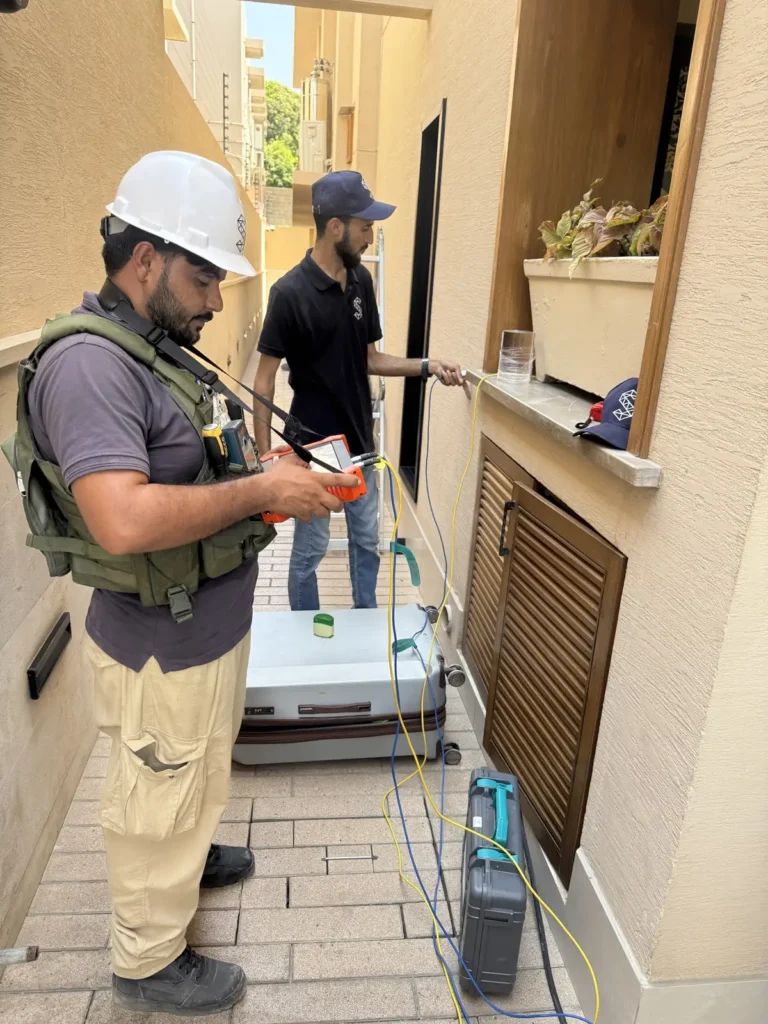
A general building inspection cannot replace a detailed electrical assessment. If there are warning signs, hire a qualified electrician to examine the installation.
7. Plumbing Leaks and Water Supply Problems
Plumbing defects can damage walls, floors, ceilings and kitchen or bathroom cabinets.
Before purchasing, check accessible taps, visible pipes, sinks, toilets and drainage points for signs of leakage. Look for damp patches around bathrooms and beneath kitchen sinks.
Also ask about the property’s water supply arrangements, underground and overhead water tanks, and any recurring drainage issues.
Concealed pipes and underground drainage systems may require additional testing by a plumber. Identifying problems early can help you understand the likely repair costs before completing the purchase.
8. Poor Bathroom Waterproofing
Bathrooms are exposed to frequent water use, making waterproofing essential.
Damaged grout, cracked tiles, deteriorated sealant and defective waterproofing can allow water to seep into adjoining rooms or lower floors.
Check bathroom walls and floors for loose tiles, persistent dampness and water stains in neighbouring rooms.
A bathroom that looks newly renovated may still have concealed waterproofing problems. If signs of leakage are present, obtain a specialist assessment before assuming the issue is cosmetic.
9. Poor Construction Quality and Inferior Materials
Not every house is constructed to the same standard. Poor workmanship and unsuitable materials can lead to premature deterioration and expensive maintenance.
Look for uneven plaster, poorly finished joints, loose tiles, damaged concrete surfaces and badly installed doors or windows.
Pay particular attention to visible concrete defects, exposed reinforcement and signs of corrosion. These issues may need professional assessment to determine their seriousness.
A property’s appearance and finishing quality alone cannot establish the quality of its structural construction.
10. Drainage Problems and Rainwater Accumulation
Water accumulation around a house can damage finishes, contribute to dampness and, in some circumstances, affect foundations.
Check the property’s external ground levels, visible drainage channels, roof outlets and areas where water may collect.
Ask neighbours about recurring water accumulation, drainage problems or rainwater entering the property during heavy rainfall.
In Karachi, checking a property’s history of water entry and local drainage conditions can be a useful part of the buying process. However, conditions vary from street to street, so the specific property should be assessed rather than relying only on the area’s reputation.
Why Should You Get a House Inspected Before Buying?
A professional building inspection helps identify visible defects and potential concerns before you commit to a major purchase.
An inspection can help you:
- Identify structural warning signs.
- Detect visible moisture damage and roof leakage.
- Understand the condition of accessible building components.
- Identify areas that need specialist assessment.
- Plan for maintenance and potential repair expenses.
An inspection cannot guarantee that every hidden defect will be discovered. Buyers should also arrange separate legal, title and approval checks where required.
Final Thoughts
Buying a house in Karachi requires more than checking the location, price and appearance. Structural cracks, roof leakage, dampness, poor workmanship and unauthorised alterations can turn an attractive property into an expensive problem.
Before making a final decision, inspect the property carefully, review the available documents and consult qualified professionals when significant defects are suspected.
**Structsure encourages homebuyers to understand a property’s condition before investing their hard
Also Read: Building a House in Pakistan? 10 Things Your Contractor Must Do