Buying a house is one of the biggest financial decisions you can make. While location, price, design, and size are important, there are many problems that may not be obvious during a quick property visit. A house can look beautiful on the outside while hiding structural, electrical, plumbing, or moisture-related issues that could become expensive after purchase.
Before signing an agreement or paying a substantial advance, it is important to inspect the property carefully. Here are 15 things you should never ignore before buying a house.
1. Structural Cracks
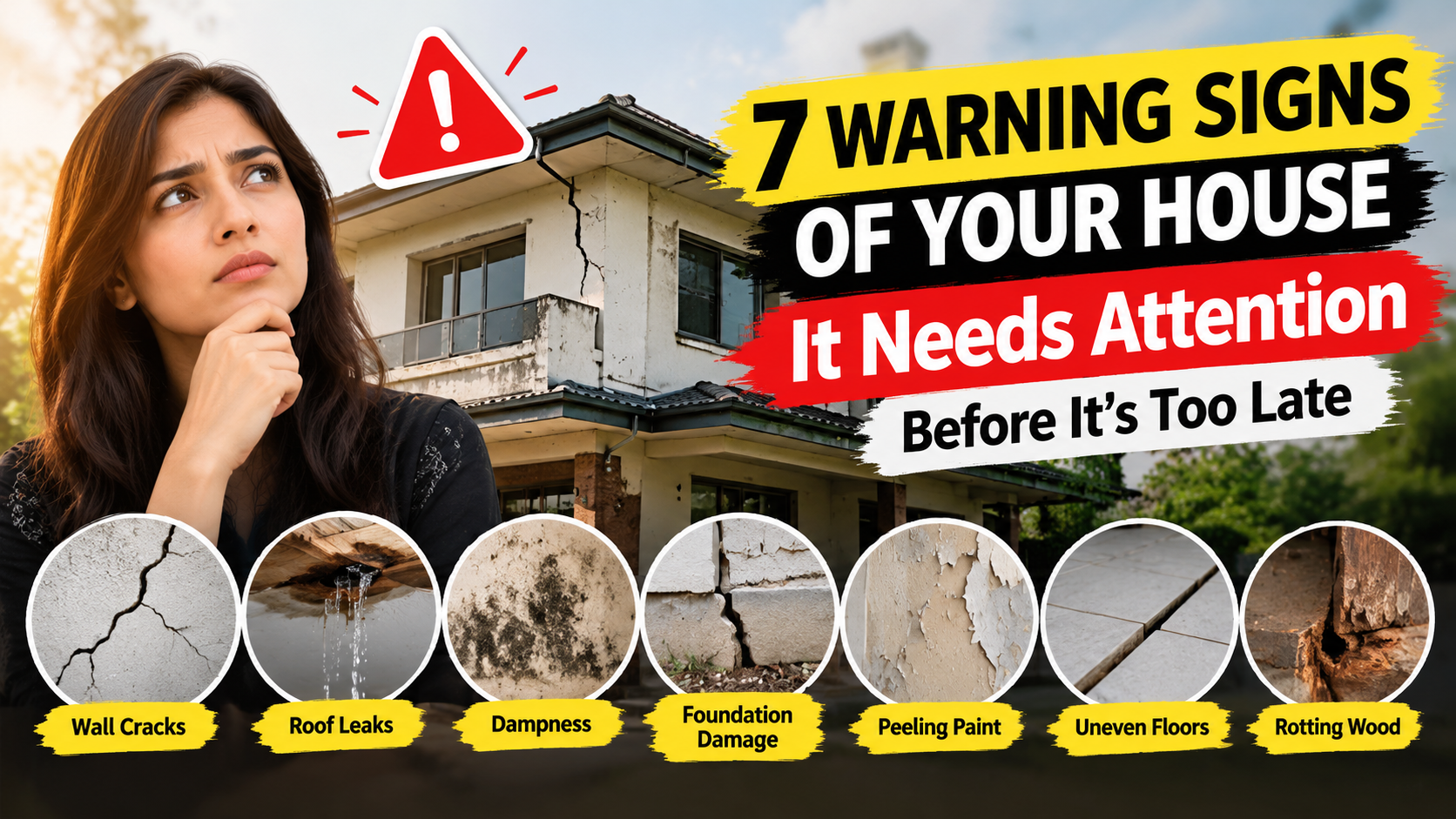
Not every crack means a house has serious structural damage, but cracks should never be ignored. Look carefully at walls, ceilings, columns, beams, and other structural elements.
Large, diagonal, widening, or recurring cracks may require further investigation. A professional inspection can help determine whether a crack is cosmetic or potentially related to a structural problem.
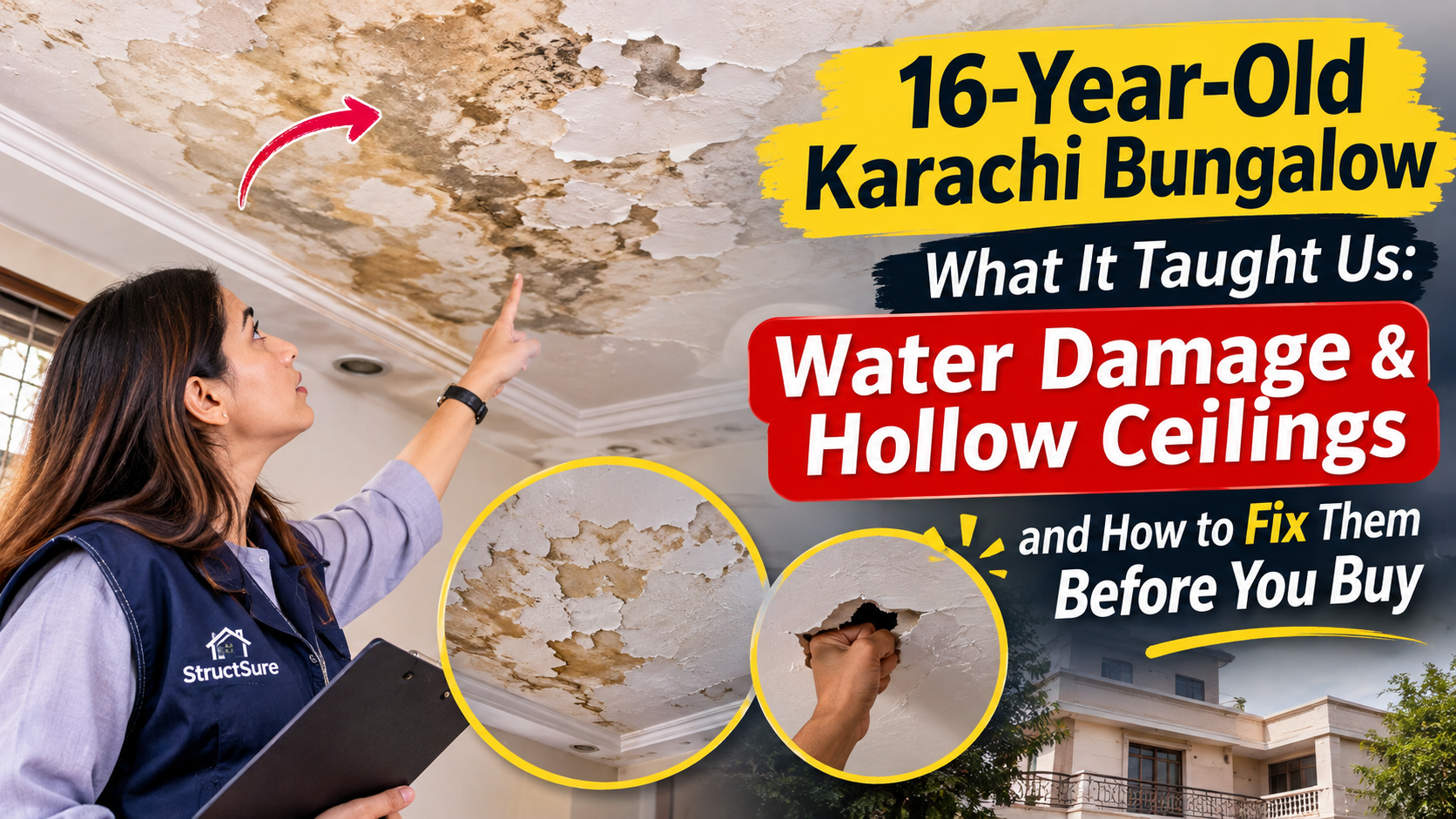
2. Signs of Dampness and Water Damage
Damp patches, peeling paint, bubbling walls, mold, and unusual discoloration can indicate moisture problems. Check bathrooms, kitchens, ceilings, exterior walls, and areas around plumbing fixtures.
Water damage can sometimes be hidden behind fresh paint. If you notice a suspicious patch or smell of moisture, investigate the cause before purchasing the property.
3. Foundation Problems
The foundation supports the entire house, so potential foundation problems deserve serious attention. Look for uneven floors, significant wall cracks, doors or windows that no longer close properly, and visible settlement.
These signs do not automatically mean the foundation is failing, but they can justify a professional structural assessment before you proceed with the purchase.
4. Roof and Ceiling Condition
A roof can be expensive to repair or replace. Inspect the roof for cracks, damaged waterproofing, standing water, leakage, and deteriorated materials.
Inside the house, examine ceilings for water stains, cracks, damp patches, or repaired areas. A recently painted ceiling may sometimes conceal previous leakage, so ask about any visible signs of repair.
5. Electrical Wiring and Electrical Safety
Old or poorly installed electrical wiring can create safety and maintenance problems. Check the electrical panel, switches, sockets, wiring condition, and overall installation.
Look for loose sockets, exposed wires, burnt marks, overloaded connections, or unusual electrical modifications. A qualified electrician can perform a more detailed inspection if necessary.
6. Plumbing System
Plumbing problems are often difficult to notice during a short viewing. Turn on taps and check water pressure where possible. Inspect visible pipes, drainage points, bathrooms, kitchen areas, and water tanks.
Also look for leaking pipes, slow drains, water stains, unusual odors, or signs of previous plumbing repairs.
7. Drainage and Sewerage
A property’s drainage system can have a major effect on comfort and maintenance costs. Check whether water drains properly from bathrooms, kitchens, balconies, and outdoor areas.
If the property has a history of standing water, blocked drains, or sewerage problems, investigate the cause before buying.

8. Doors and Windows
Doors and windows can provide useful clues about the condition of a building. Check whether they open and close smoothly and whether there are gaps, damaged frames, rust, or signs of moisture.
Difficulty opening doors or windows can sometimes be caused by normal wear, but it can also occur when parts of a building move or settle. This is why unusual movement should be investigated rather than immediately dismissed.
9. Flooring and Uneven Surfaces
Walk through every room and pay attention to floors. Look for cracked tiles, loose flooring, unusual slopes, or areas that feel uneven.
Minor flooring imperfections may simply require renovation, while significant unevenness could indicate underlying moisture, settlement, or construction issues. Further inspection may be appropriate if the problem appears substantial.
10. Construction Quality
Don’t judge a house only by its paint, tiles, kitchen cabinets, or decorative finishes. Pay attention to the underlying construction quality.
Look at walls, plaster, concrete surfaces, staircases, balconies, and other structural and non-structural elements. Poor workmanship can lead to cracking, water penetration, premature deterioration, and repeated repair costs.
11. Previous Repairs and Renovations
Ask the seller about previous repairs, renovations, extensions, and structural modifications. A newly renovated property may look excellent, but you should still understand what was changed.
Pay particular attention to removed walls, added rooms, altered bathrooms, extended balconies, or modifications to structural elements. Major changes should be properly assessed before purchase.
12. Ventilation and Natural Light
A house should not only look good; it should also provide a comfortable living environment. Check ventilation and natural light in bedrooms, bathrooms, kitchens, and other important areas.
Poor ventilation can contribute to condensation, dampness, unpleasant odors, and mold growth. Consider how the property performs during different times of the day rather than judging it from a short visit.
13. Pest or Termite Damage
Look for signs of termites, wood damage, insect activity, or other pest problems. Pay particular attention to wooden doors, cupboards, flooring, roof areas, and places where moisture is present.
Pest problems can sometimes remain hidden until significant damage has already occurred. If you see suspicious signs, consider getting a professional assessment.
14. Property Documents and Approvals
Physical inspection is only one part of buying a house. You should also verify the property’s relevant ownership documents, approvals, plans, and other legal or regulatory records applicable to the property.
Make sure the person selling the property has the legal authority to sell it and that important property details match the available documentation. For legal verification, it is advisable to consult a qualified property lawyer or relevant authority.
15. Get a Professional Property Inspection
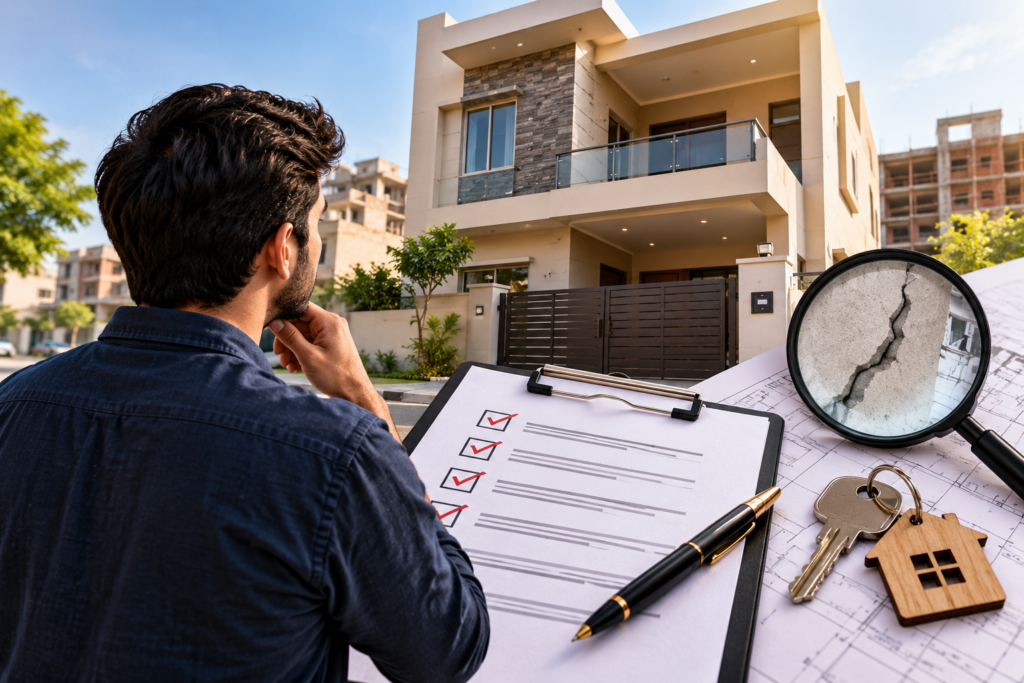
One of the most important steps before buying a house is getting an independent inspection.
A professional inspector can examine areas that buyers may overlook, including structural components, electrical systems, plumbing, moisture problems, roofing, drainage, construction defects, and other visible issues.
A professional inspection does not guarantee that a property will never develop problems. Instead, it helps you understand the property’s current visible condition and identify issues that may require further investigation or repair.
Final Thoughts
A house can look perfect during a quick viewing while still having problems that are expensive to fix. That’s why buyers should look beyond paint, furniture, location, and appearance.
Before purchasing, pay particular attention to structural cracks, dampness, foundations, roofing, electrical systems, plumbing, drainage, construction quality, previous renovations, and property documentation.
If you are seriously considering a property, a professional building or home inspection can provide a clearer picture of its condition before you commit a significant amount of money.
The goal of an inspection is not necessarily to find a reason not to buy. It is to help you understand what you are actually purchasing, identify potential repair costs, and make a more informed property-buying decision.
What are your thoughts over 15 Things You Should Never Ignore Before Buying a House? Do let us know in the comment box!
Also Read: Leaking Bathroom? Practical Waterproofing Solutions Without Removing Tiles