
Buying a house is a major financial commitment. Most buyers focus on the property’s location, size, layout, finishing, and asking price, but some of the most expensive problems can remain hidden during a normal viewing.
A house may look beautiful and well-maintained while having structural, water, electrical, or construction problems that could require significant repairs after you move in.
This is why a home inspection before buying is so important. Identifying major problems before completing the purchase gives you an opportunity to investigate the issue, estimate repair costs, negotiate where appropriate, or reconsider the property.
Here are 10 expensive problems to find before buying a house.
1. Foundation and Structural Problems
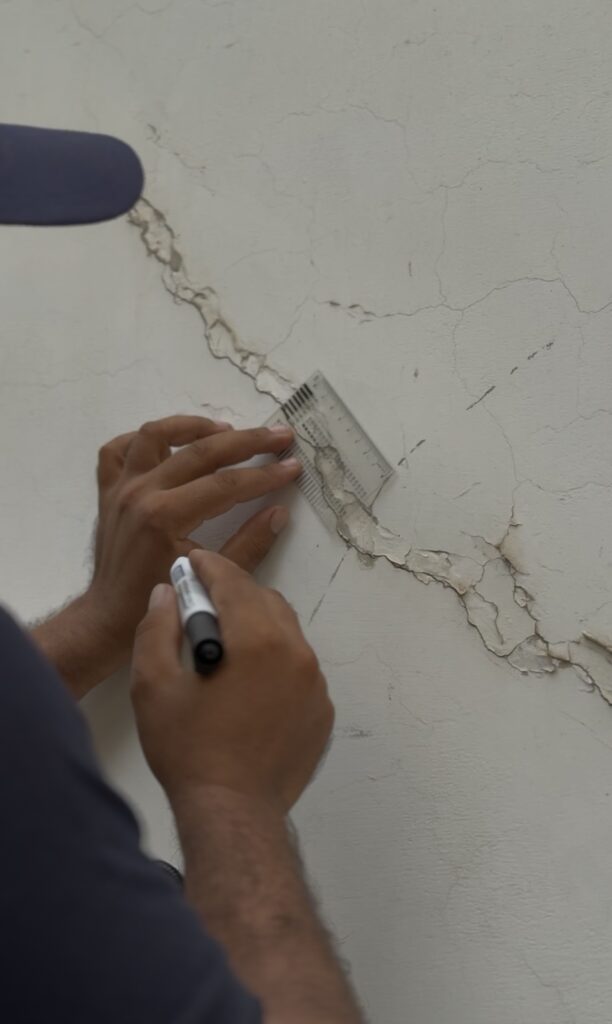
Structural problems can be among the most expensive issues a homeowner encounters. The foundation, columns, beams, load-bearing walls, and other structural elements are critical to the stability of a building.
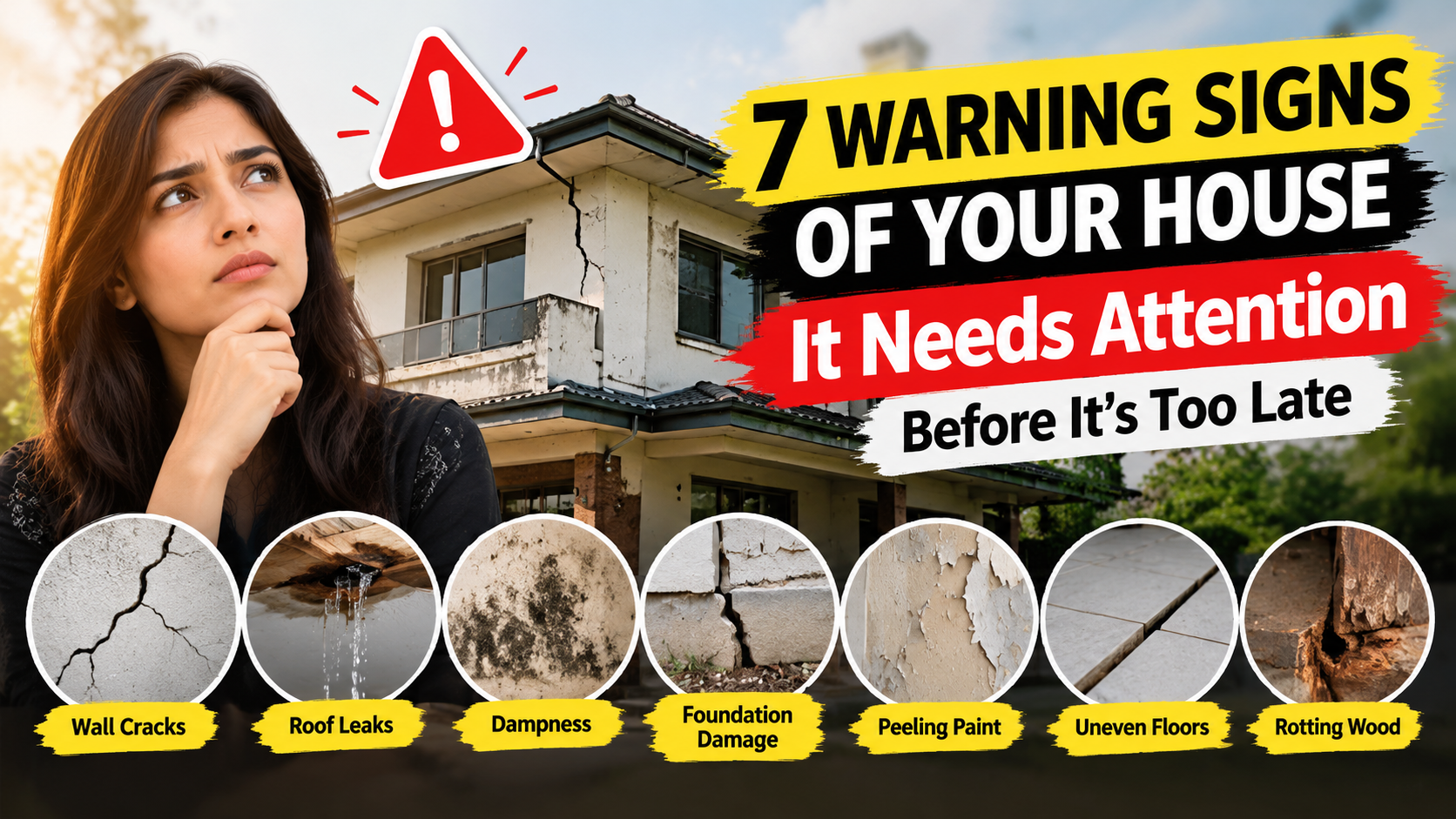
During an inspection, look for significant cracks, uneven floors, doors that suddenly do not close properly, visible settlement, or other unusual movement.
Not every crack indicates serious structural damage. Some may be related to plaster, paint, temperature changes, or normal settlement. However, large, recurring, widening, or strategically located cracks should be professionally assessed.
Finding a structural issue before purchasing is much better than discovering it after you have already committed your money.
2. Roof Damage and Waterproofing Problems
Roof repairs can become expensive, particularly when water has already penetrated the building.
Check the roof for damaged waterproofing, cracks, standing water, deteriorated surfaces, and areas where water may enter the structure. Inside the house, inspect ceilings for stains, peeling paint, damp patches, and evidence of previous repairs.
A roof that appears recently painted should not automatically be assumed to be problem-free. Ask whether there have been previous leaks and whether waterproofing work has been carried out.
3. Serious Water Leakage and Dampness
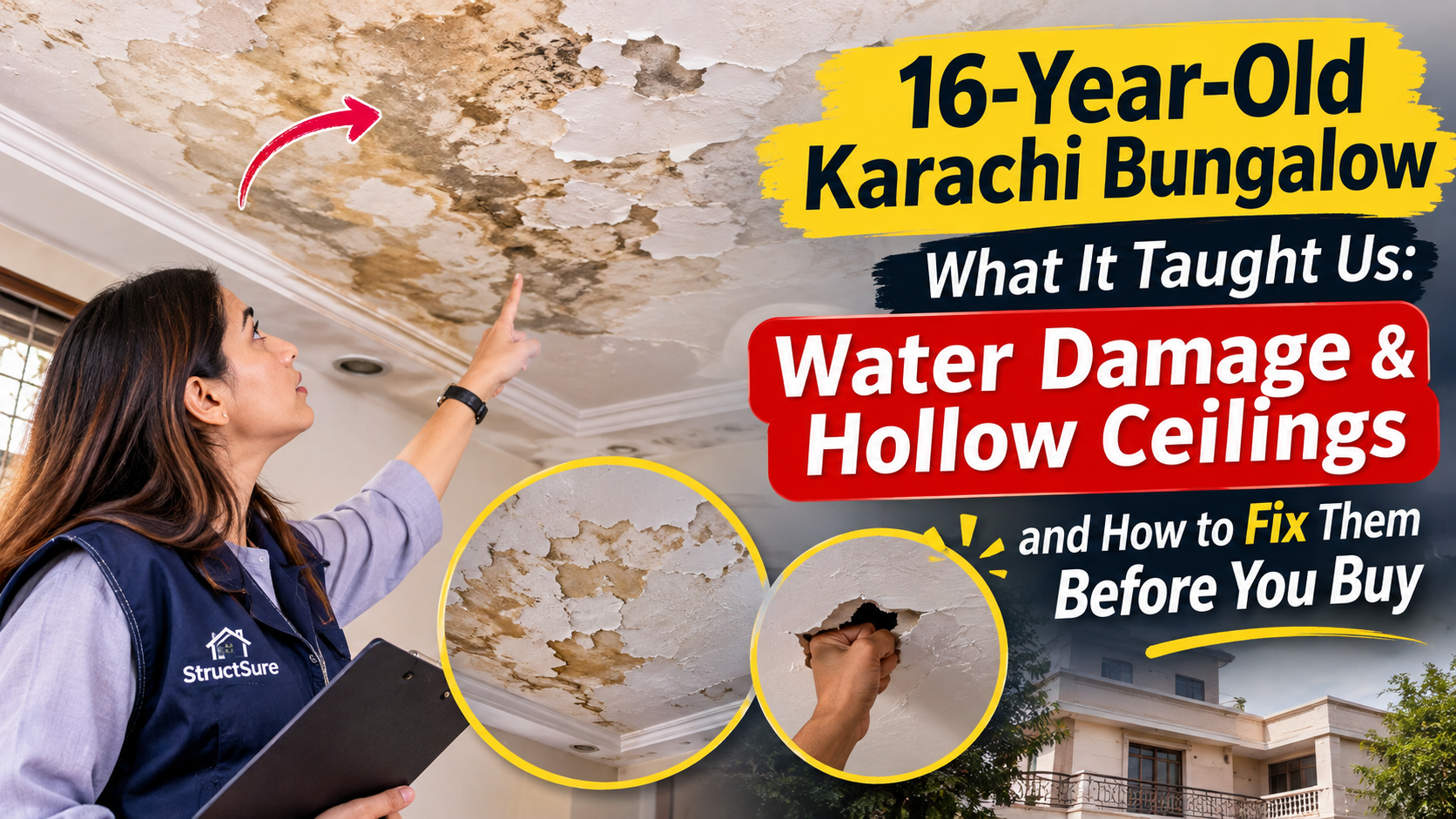
Water-related problems can cause much more than unattractive walls. Persistent moisture can damage plaster, paint, flooring, ceilings, woodwork, and other building components.
Check bathrooms, kitchens, balconies, exterior walls, ceilings, and areas around plumbing fixtures for damp patches or discoloration.
A musty smell can also be a warning sign. If moisture is present, the important question is not only how much the visible repair will cost, but where the water is coming from.
Fixing the visible damage without addressing the source can result in repeated repair expenses.
4. Major Plumbing Problems
Plumbing systems are easy to overlook during a property viewing, but replacing or repairing hidden pipes can become costly.
Check water pressure, taps, drainage, toilets, visible pipes, water tanks, and areas beneath sinks. Look for leaks, slow drainage, unusual odors, water stains, or recently repaired sections.
If a house has old plumbing, ask about its age and whether major sections have previously been replaced.
A professional inspection can identify visible plumbing concerns and help determine whether further investigation is necessary.
5. Outdated or Unsafe Electrical Wiring
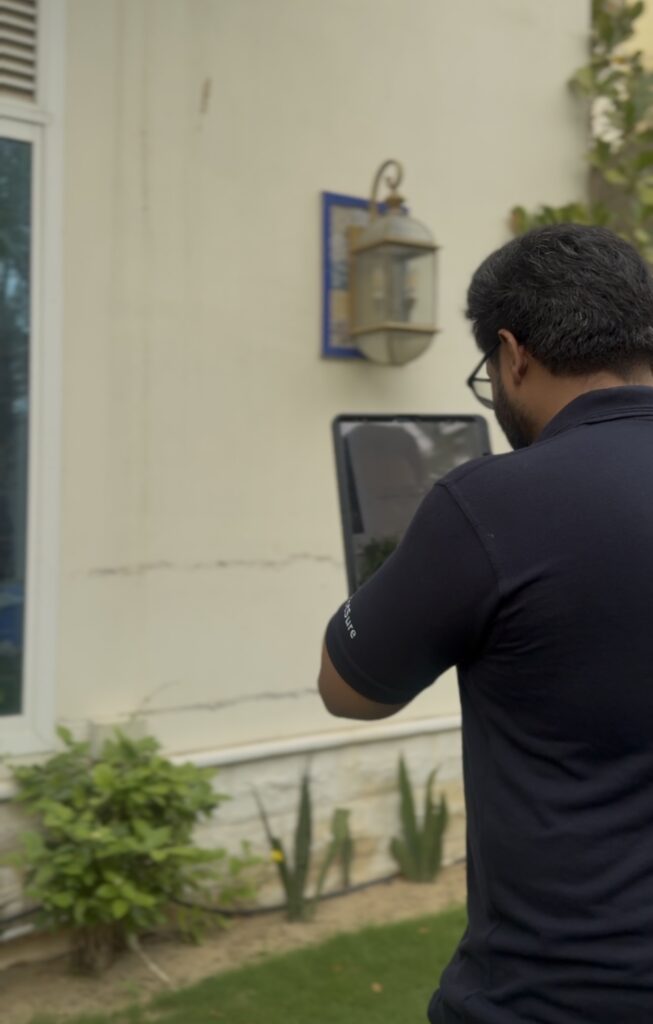
Electrical problems can create both financial and safety concerns. Older properties may have outdated wiring or electrical systems that were not designed for modern household loads.
Check the electrical panel, sockets, switches, visible wiring, and major electrical connections. Look for exposed wires, burnt marks, loose sockets, overloaded circuits, or unusual modifications.
If you plan to use several air conditioners, appliances, computers, or other high-load equipment, the electrical system should be assessed for suitability.
A qualified electrician can provide a more detailed assessment when electrical problems are suspected.
6. Major Termite or Pest Damage
Termites and other pests can cause significant damage, particularly to wooden structures, doors, cabinets, flooring, and roof components.
Look for hollow-sounding wood, small holes, damaged timber, discarded wings, mud tubes, or other signs of infestation.
The visible damage may represent only part of the problem. If termites have been active for a long period, hidden areas may also require attention.
Before buying a property with suspected termite activity, consider getting a professional pest inspection and determining the extent of the damage.
7. Poor Construction and Hidden Defects
A house can have expensive finishing materials while still suffering from poor underlying construction.
Problems can include inadequate waterproofing, poor drainage, weak workmanship, improperly installed materials, defective plastering, poor-quality repairs, or construction that does not meet applicable requirements.
Pay attention to cracks, uneven surfaces, damaged concrete, poorly finished areas, water penetration, and repeated repairs.
A professional building inspection can help identify visible construction defects that an ordinary buyer may not recognize.
8. Unauthorized Extensions and Structural Alterations
Extensions and renovations can increase the usable space of a house, but major modifications should be investigated carefully.
Look for added rooms, enclosed balconies, removed walls, additional floors, altered staircases, or other significant changes.
A modification that affects a structural element can create safety and financial concerns. In addition, unauthorized construction can create legal or regulatory problems depending on the property’s location and applicable requirements.
Ask for documentation relating to major alterations and have significant structural changes assessed by an appropriate professional.
9. Drainage and Sewerage Problems
Poor drainage can cause recurring water damage and unpleasant living conditions.
Check whether rainwater and wastewater drain properly. Look for standing water, damaged drainage channels, blocked drains, sewage odors, damp areas, and signs of previous flooding.
In areas that experience heavy rainfall, drainage deserves particular attention. Water accumulating around a property can eventually contribute to dampness and deterioration.
A drainage problem may appear minor during a dry inspection but become much more serious during heavy rain.
10. Major Repair and Maintenance Backlog
Sometimes the biggest expense is not one single defect but a combination of smaller problems.
A house may need roof repairs, repainting, plumbing work, electrical upgrades, waterproofing, flooring replacement, termite treatment, and other improvements at the same time.
Before buying, make a list of all visible repairs and obtain realistic estimates where possible. Add these costs to the purchase price when evaluating the property’s overall financial commitment.
A house that looks affordable at first may require substantial additional spending after purchase.
Why a Professional Inspection Matters
A normal property viewing usually focuses on appearance. A professional inspection looks more closely at the building’s visible condition and identifies areas that may require further investigation.
An inspection can help you understand potential problems involving:
- Structural components
- Roof and waterproofing
- Plumbing
- Electrical systems
- Drainage
- Dampness and moisture
- Construction defects
- Previous alterations
- Visible pest damage
An inspection cannot predict every future problem, and hidden defects may require specialized testing. However, identifying significant visible issues before purchasing can help reduce unpleasant surprises.
Final Thoughts
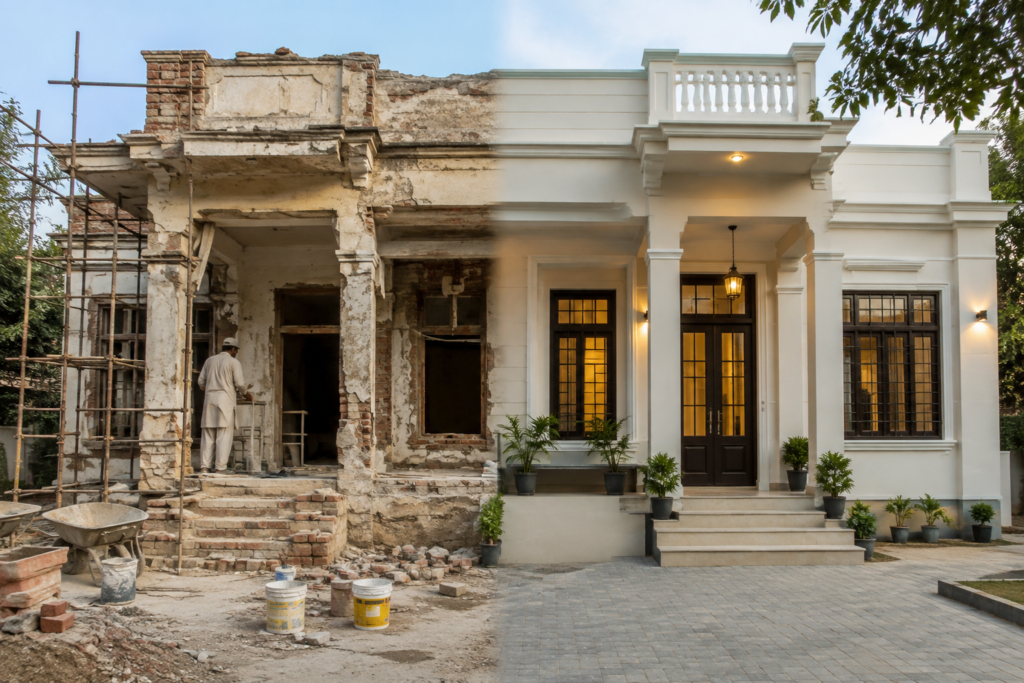
Before buying a house, don’t focus only on how attractive the property looks. Expensive problems can exist behind fresh paint, renovated rooms, new flooring, or attractive finishing.
The most important issues to investigate include structural damage, foundation concerns, roof problems, water leakage, plumbing defects, electrical issues, termite damage, poor construction, unauthorized alterations, and drainage problems.
If you are seriously considering a property, arrange a professional home or building inspection before completing the purchase. Understanding the property’s condition beforehand can help you plan repairs and make a more informed financial decision.
So what are your thoughts over 10 Expensive Problems to Find Before Buying a House? Do let us know in the comment box!
Also Read: 15 Things You Should Never Ignore Before Buying a House

One Response