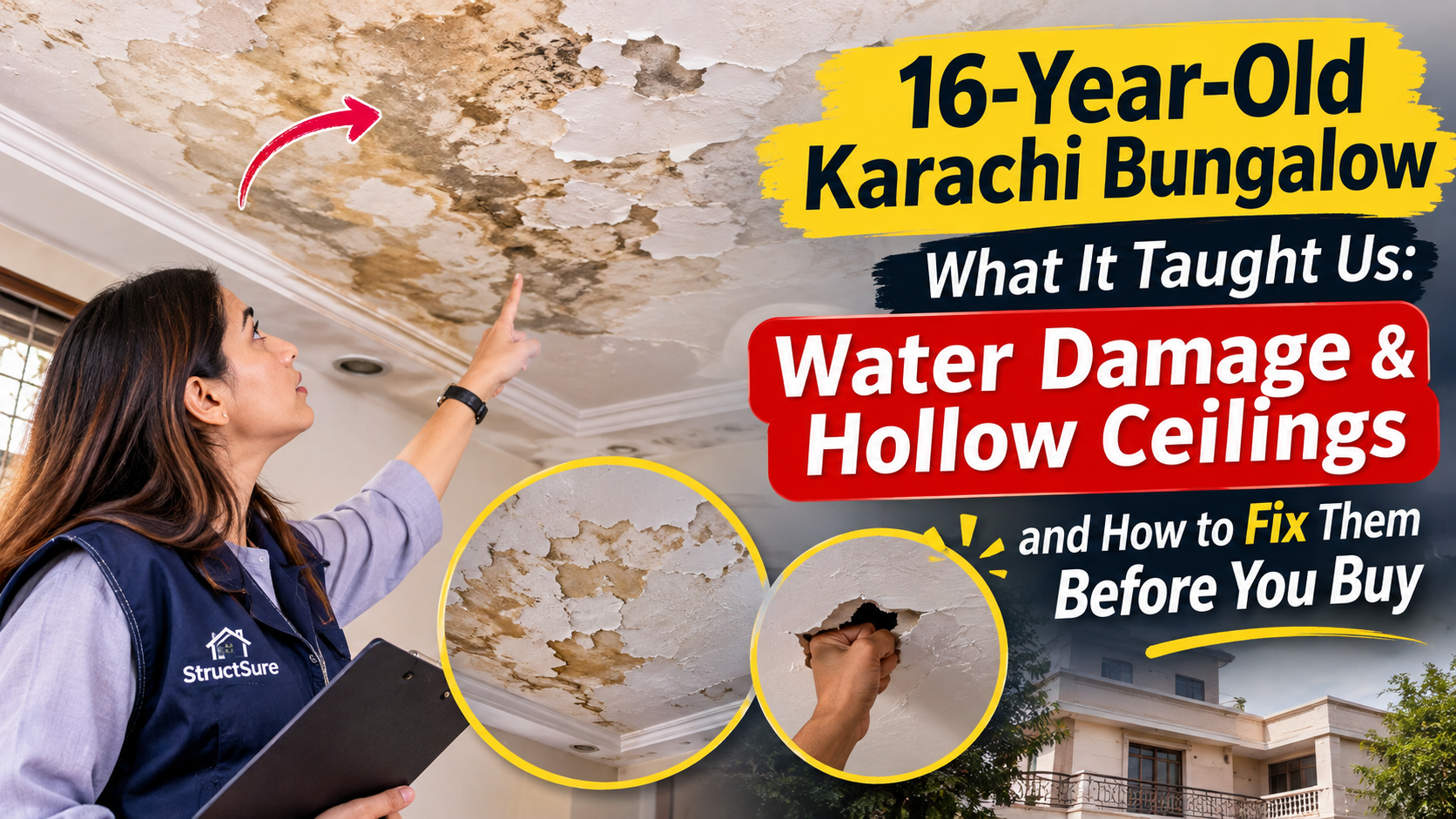
A leaking bathroom can quickly become more than just an inconvenience. Water escaping through grout joints, corners, floor-to-wall junctions, drains, or damaged surfaces can gradually affect the substrate beneath the tiles and may contribute to dampness, staining, deterioration, and recurring leakage.
The obvious solution is often to remove the tiles and carry out complete waterproofing. However, tile removal is not always immediately practical. Additionally in some situations, property owners may want to explore a remedial approach that allows the existing tiles to remain.
At StructSure Building Inspections, we assess the condition and likely source of water ingress before recommending a repair strategy. Where tile removal is not immediately feasible, products such as Sikagard®-703 GroutSeal and ChemCote 440 may form part of a remedial approach, subject to proper surface preparation, manufacturer requirements, and site conditions.
This article explains how such an approach works, where it can help, and why it should not be confuse with permanent waterproofing.
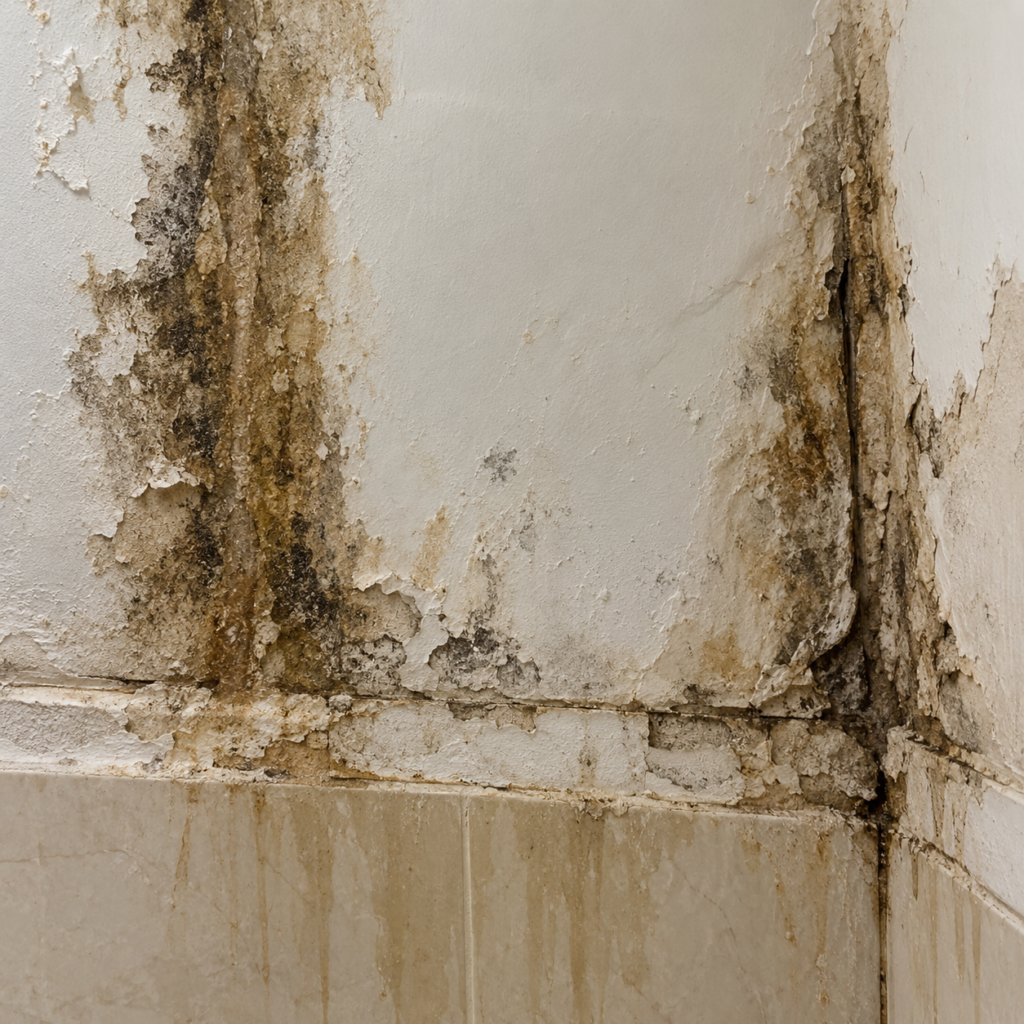
Why Is Your Bathroom Leaking? Waterproofing Solutions!
Bathroom leaks can occur for several different reasons. The visible water may not always indicate the actual source of the problem.
Common causes include:
- Failed or deteriorated grout
- Cracked grout joints
- Loose or hollow tiles
- Failed sealant at corners and junctions
- Poor floor-to-wall junctions
- Leakage around drains
- Failed pipe penetrations
- Water entering beneath the tiled surface
- Deteriorated or failed waterproofing membranes
Simply applying a coating over the visible surface may not resolve a leak caused by a deeper substrate or waterproofing problem.
This is why inspection should come before repair.
A Practical Remedial Plan When Tiles Need to Remain
Where existing tiles are to remain, a remedial approach can involve several carefully controlled stages.
1. Inspect and Prepare the Bathroom Surface
The first step is to identify the condition of the existing tiled surface.
Loose or failed grout should be removed, while cracked or missing grout should be repaired. Hollow or loose tiles should also be investigated because surface coatings cannot compensate for an unstable substrate.
The surface should then be thoroughly cleaned and allowed to dry.
Soap scum, oils, dust and other contaminants can affect the performance of repair products, making proper preparation an important part of the process.
What should be checked?
- Loose or failed grout
- Cracked grout
- Hollow or loose tiles
- Existing sealant
- Floor-to-wall junctions
- Corners
- Drain areas
- Pipe penetrations
- Sanitary fixtures
2. Repair and Re-Grout
Once the surface has been prepared, damaged grout should be repaired or replaced.
While depending on the specific conditions and manufacturer’s recommendations, a suitable cementitious or epoxy grout may be considered.
The repaired grout should be allowed to cure adequately before subsequent products are applied.
This stage is important because grout joints are among the areas where water can enter the tiled system.
However, grout is not the same thing as waterproofing. Re-grouting alone should not be considered a replacement for a properly designed waterproofing membrane.
3. Protect Grout Joints with Sikagard
A penetrating grout treatment such as Sikagard®-703 GroutSeal can be used as part of a remedial strategy for suitable grout joints and porous surfaces.
The purpose of this type of treatment is to reduce water absorption through porous areas.
According to the approach outlined in the StructSure report, it can help:
- Reduce water absorption
- Protect grout from staining
- Provide additional protection to porous surfaces
- Maintain an invisible finish rather than creating a conventional surface film
So it is important to understand that a grout sealer is not a grout filler and not a waterproofing membrane.
It should be applied only to surfaces and areas for which the product is suitable.
4. Seal Critical Bathroom Junctions
Bathroom junctions require particular attention because they are exposed to movement and repeated moisture.
So here are some important areas include:
- Floor-to-wall junctions
- Internal corners
- Around drains
- Pipe penetrations
- Sanitary fixtures
- Other movement-prone joints
A suitable flexible sanitary-grade sealant can help accommodate movement while maintaining a watertight seal at critical junctions.
Rigid materials may crack when movement occurs, which is why flexible sealing is particularly important at these locations.
5. Consider a Surface Coating Where Appropriate
A product such as ChemCote 440 may form part of a remedial surface-coating system where appropriate and where the manufacturer confirms that it is suitable for the particular tile and wet-area application.
The report describes ChemCote 440 as a polyurethane-acrylic film-forming coating that may provide additional resistance to water penetration when correctly applied.
However, proper surface preparation is essential.
Depending on the substrate and manufacturer’s requirements, a primer may also be necessary.
Before application, the property owner or contractor should confirm:
- Whether the coating is suitable for the existing tile type
- Whether it is suitable for the specific wet-area application
- Whether primer is required
- What surface preparation is required
- The manufacturer’s application instructions
- Required curing time
This is particularly important because not every coating is suitable for every tiled surface.
6. Allow Proper Curing and Test the Finished Surface
The repair process should not be considered complete immediately after application.
Products need adequate curing time according to their respective manufacturer guidelines.
Once cured, the finished surface should be inspected for:
- Proper coverage
- Missed areas
- Defective joints
- Incomplete sealing
- Surface defects
- Signs of continuing water ingress
The bathroom should be returned to service only after the applicable products have properly cured.
What Can This Remedial Approach Achieve?
While a carefully prepared surface-treatment strategy can provide a practical option where removing existing tiles is not immediately feasible.
Potential benefits include:
Reduced Water Ingress
Treating porous grout and suitable surface areas can help reduce water absorption.
Additional Surface Protection
A suitable coating can provide an additional protective barrier over the existing tiled surface.
Less Disruption
Also keeping existing tiles can reduce the demolition and disruption associated with a full bathroom renovation.
Short- to Medium-Term Remedial Option
For appropriate situations, this approach may provide a practical short- to medium-term remedial measure.
However, its suitability depends heavily on the existing condition of the bathroom and the actual source of the leak.
Important Limitations: When Surface Treatment Is Not Enough
This is one of the most important points for property owners.
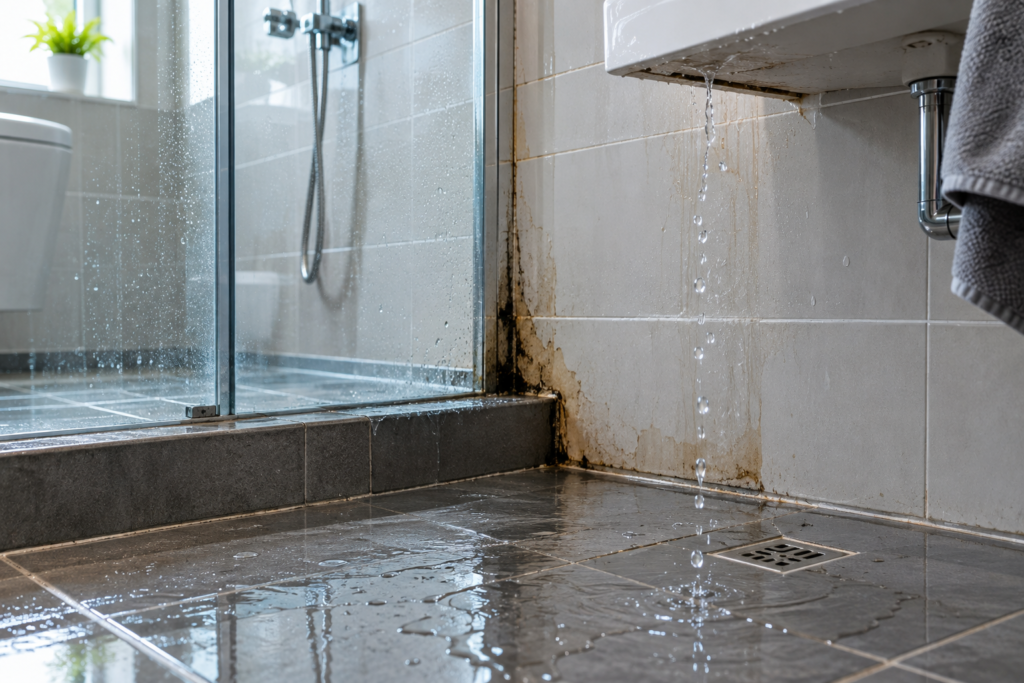
A surface coating is not automatically a replacement for a waterproofing membrane.
If water is entering because of a failed waterproofing system beneath the tiles, applying products to the surface may not address the underlying cause.
Surface treatments may also be unsuitable where leakage is associated with:
- Structural cracks
- Significant substrate movement
- Failed waterproofing membranes
- Severe substrate deterioration
- Persistent leaks beneath the tiled system
- Poorly constructed wet areas
In such cases, continued surface treatment may only delay the need for proper remedial work.
The Permanent Engineering Solution: Remove the Tiles and Waterproof Properly
Where investigation indicates that the underlying waterproofing system has failed, the more comprehensive solution is generally to remove the existing tiles and properly prepare the substrate.
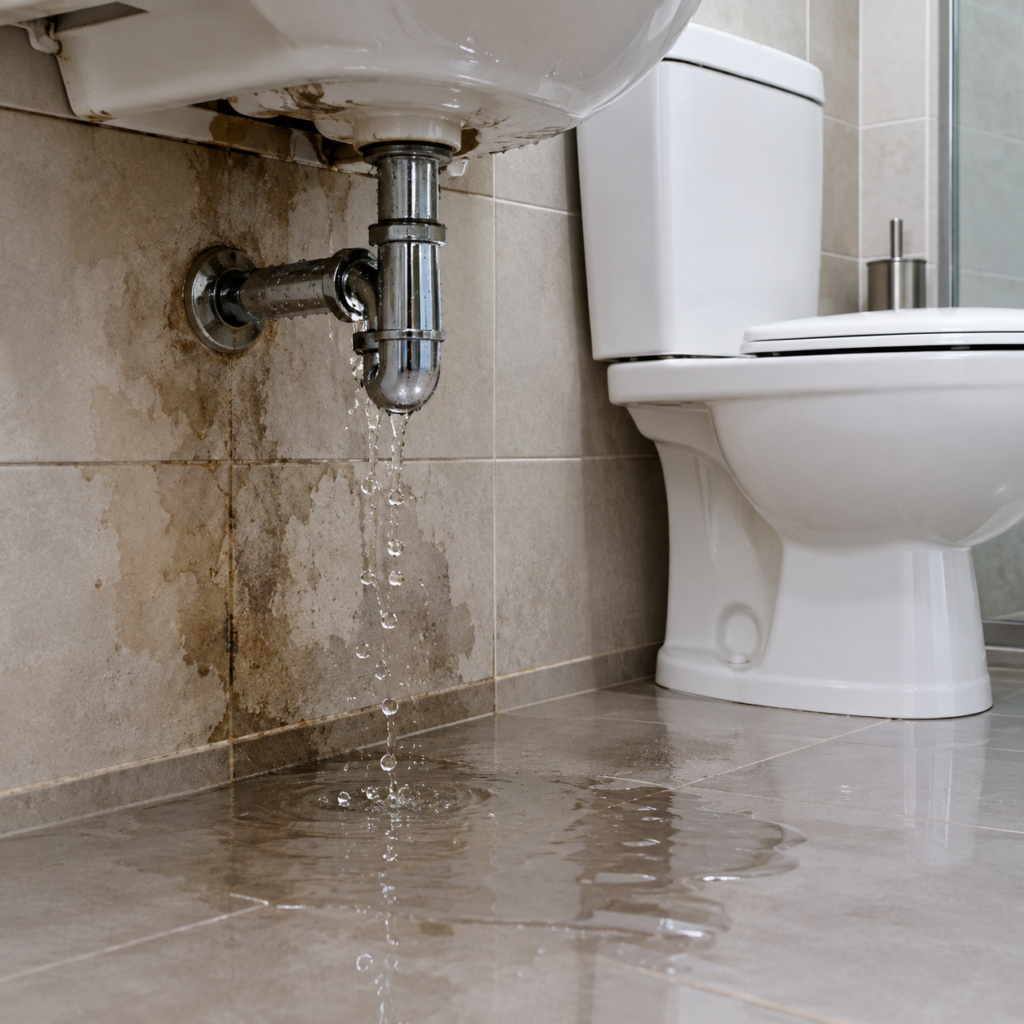
The substrate can then be inspected and repaired before installing a purpose-designed wet-area waterproofing membrane.
Particular attention should be given to:
- Floor areas
- Wall junctions
- Corners
- Drains
- Pipe penetrations
- Floor-to-wall transitions
- Other potential water-entry points
Once the waterproofing system has been properly installed and detailed, the finished surfaces can be reinstated.
This approach addresses the waterproofing system itself rather than relying solely on treatments applied over the existing tiles.
Bathroom Waterproofing: Repair or Replace?
The correct approach depends on the condition of the existing bathroom.
| Situation | Potential Approach |
|---|---|
| Minor grout deterioration | Repair/re-grout and suitable sealing |
| Porous grout joints | Suitable grout sealer |
| Failed sealant at corners | Remove and replace with suitable flexible sealant |
| Surface requires additional protection | Suitable coating, subject to manufacturer approval |
| Loose/hollow tiles | Investigate and repair underlying condition |
| Persistent water ingress | Detailed investigation required |
| Failed waterproofing membrane | Tile removal and proper waterproofing may be required |
| Structural/substrate problems | Engineering assessment and appropriate repairs |
The key is not to treat every leaking bathroom in the same way.
Also Read: Buying an Apartment in Sea View, DHA Karachi? What a Professional Building Inspection Can Reveal
What are your thoughts over our blog? Lets us know in the comment section! Is it helpful for you or not?